Have you ever been bothered by a dull, uneven skin tone every time you look in the mirror, or felt that your skin looks tired and dull from UV rays and environmental stress? When skin tone is dull and uneven, the overall impression of the skin can look fatigued. If your concerns are "skin tone care," "antioxidant management," or "skin radiance," the ingredient that comes to mind is Glutathione. As a powerful antioxidant that naturally exists in the cells of our bodies, Glutathione is used as a cosmetic ingredient for its role in protecting the skin from environmental stress.

While Glutathione is an ingredient with a long research history in the medical field, how it works in cosmetics may differ from its applications in medical research. For those concerned about uneven or dull skin tone, or who wish to choose cosmetics based on ingredients, we explore Glutathione from the perspective of a cosmetic ingredient and introduce how it can be incorporated into your skincare routine.

Glutathione at a Glance

CategoryKey SummaryCheck Point
Ingredient Name
Glutathione (GSH)
INCI name: GLUTATHIONE; the oxidized form may be labeled as GSSG
Ingredient Classification
Tripeptide / antioxidant [13][28][29]
Composed of three amino acids: cysteine, glutamic acid, and glycine [13][28][29]
Source
Produced through enzymatic synthesis or fermentation [13][28][29]
In current industrial production, fermentation using yeast (such as Saccharomyces cerevisiae) is the main method [13][28][29]
Expected Skin Benefits
Evening out skin tone, improved radiance, antioxidant protection, smoother skin texture
Gradual and cumulative results expected rather than procedure-level change
Functions in Research
Skin-tone-associated pathways and antioxidant-related biological responses have been studied [1]
Based on medical research; cosmetic results vary by individual
Suitable Skin Types
Generally suitable for all skin types, including sensitive and acne-prone skin [16][30]
Consultation with a specialist is recommended for existing skin concerns
Precautions
For sensitive skin, irritation, redness, and itching may occur [13][28][29]
Check co-formulated ingredients and a patch test is recommended

What is Glutathione?

Glutathione is a tripeptide composed of cysteine, glycine, and glutamic acid that functions as a major antioxidant. It is synthesized endogenously in the human body, protects thiol protein groups from oxidation, and is involved in cellular detoxification to maintain the cellular environment [5]. Glutathione has the ability to prevent damage to cellular components caused by reactive oxygen species, free radicals, peroxides, lipid peroxides, heavy metals, and similar oxidative agents [13][28][29].

Glutathione's skin tone-related function was discovered incidentally as a side effect observed during the management of chronic skin conditions [3]. In addition to its antioxidant properties, the discovery of its skin-tone-related properties led it to attract attention as a skincare ingredient, and it is widely used among certain ethnic groups [1]. Its level can decrease with aging and environmental stress. When the antioxidant defense weakens as a result, oxidative stress increases, which can be linked to visible signs of skin aging [2][27].

Differences Between Glutathione and Similar Ingredients

There are similar ingredients often mentioned alongside Glutathione. Understanding the characteristics of each ingredient is helpful when checking a product's ingredient list.

Ingredient NameCharacteristics
Glutathione (GSH)
The reduced form, which has skin-related effects through tyrosinase-inhibiting activity [5]
Oxidized Glutathione (GSSG)
Less sensitive to degradation in aqueous solution, making it suitable for use in liquid form [5]
N-Acetyl Cysteine (NAC)
A precursor of glutathione that inhibits the induction of melanin production by UV irradiation [5]

As the body's major antioxidant, glutathione plays an important role in maintaining the intracellular thiol state and in detoxification, and synergistic effects can be expected when used together with other antioxidant ingredients [5].

Benefits of Glutathione

When discussing Glutathione in cosmetics, the key point is "protecting the skin from oxidative stress and contributing to an even tone." Based on the research accumulated in the medical field, the benefits you can expect from cosmetics can be summarized as follows.

1. Antioxidant Protection and Skin Condition Management

Every day, environmental factors such as UV rays, fine dust, and stress cause oxidative stress in the skin. Due to its antioxidant properties, glutathione can help prevent skin aging caused by free radicals generated upon exposure to UV rays or other environmental factors [13][28][29]. Glutathione plays a role in increasing the activity of antioxidant vitamins (C and E) and antioxidant enzymes (glutathione peroxidase, catalase) [16][30]. However, since topical application through cosmetics works primarily at the skin's surface, the perceived effect is gradual.

2. Evening Out Skin Tone and Radiance

When skin tone is uneven or looks dull, the overall impression of the skin can look lackluster. According to research, glutathione can support a more even-looking skin tone by directly or indirectly inhibiting tyrosinase, the key enzyme in melanin production, and inducing a shift in the direction of producing pheomelanin from eumelanin [1][7]. Glutathione stimulates the synthesis of pheomelanin instead of darker melanin, and pheomelanin has a lighter color(yellow-red) and is associated with a lighter skin color [13][28][29]. This can be experienced when using cosmetics, but may vary depending on individual skin condition and environment.

3. Smoother Skin Texture and Support for Firmness

Some studies involving glutathione supplementation have reported changes in skin appearance-related measures, although results may not directly translate to cosmetic use [2]. In a clinical study evaluating the skin elasticity and wrinkle reduction effects of a 2% oxidized glutathione lotion, skin wrinkles were significantly reduced after 10 weeks of application [7]. However, this is a result in a research setting, and with general cosmetic use, the perceived effect is cumulative and gradual.

4. Skin Barrier Support

When the skin barrier weakens due to environmental stress or seasonal changes, moisture loss accelerates, and skin can become more sensitive to external irritants. Glutathione helps prevent dryness by preserving the skin barrier [16][30]. Studies have explored associations with skin appearance, hydration-related measures, and oxidative-stress-related markers [10]. This can indirectly contribute to maintaining skin barrier function.

5. Combination with Other Ingredients

Glutathione can offer synergistic effects when used together with various active ingredients. Combination therapies that combine glutathione with other antioxidants such as Vitamin C and alpha-lipoic acid are being further studied for synergistic effects [6]. Vitamin C is a classic antioxidant that can help recycle glutathione and increase its activity [9]. For example, when used with Vitamin C, the antioxidant effect is strengthened, and when used with niacinamide, it can help with skin tone management.

Amorepacific's Perspective on Glutathione

Skin changes every day amid different environments and conditions. Rather than presenting a particular ingredient as the "right answer," Amorepacific has explored ways to flexibly select and use ingredients according to each individual's skin condition and goals. Glutathione is likewise an ingredient whose potential as an antioxidant ingredient has been explored from multiple angles.

Scientific Understanding of Glutathione Mechanism of Action

Amorepacific researchers focus on the mechanism of action of Glutathione to explore its potential in cosmetics. The main pathways of action of Glutathione mentioned in the research literature can be largely summarized into three.

Antioxidant defense mechanism

Glutathione exerts antioxidant activity by acting as a free radical scavenger in the reductive detoxification process of hydrogen peroxide and lipid peroxides [5]. In mammalian cells, glutathione acts as an electron donor, and during electron donation, it is converted into the oxidized form (GSSG) by glutathione peroxidase but is returned to the reduced form (GSH) by glutathione reductase in the presence of NADPH [5].

Melanin production regulation pathway

One of glutathione's skin-related effects is the activation of the pheomelanin pathway. Pheomelanin synthesis begins with the combination of L-dopaquinone, formed from L-tyrosine and cysteine, and this reaction produces cysteinyldopa, a pheomelanin precursor. Glutathione can also combine with L-dopaquinone in the presence of glutathione S-transferase to produce glutathionyldopa, a precursor of cysteinyldopa [5].

Tyrosinase inhibition

Glutathione's skin-related effects stem from the direct and indirect inhibition of the tyrosinase enzyme and the conversion from eumelanin to pheomelanin production [1]. Glutathione is being studied as an ingredient that can help improve skin tone by directly and indirectly inhibiting tyrosinase activity and shifting the melanin production pathway toward pheomelanin rather than eumelanin [1].

Amorepacific's Glutathione and Antioxidant Research

Bio-redox Technology

Amorepacific has continued research to restore the skin's antioxidant environment and developed a technology focusing on the thioredoxin enzyme, which plays a key role in the body's antioxidant system in the same way as glutathione. BIO-REDOX, a proprietary ingredient applied to IOPE, closely replicates thioredoxin, a skin-active enzyme that decreases with age, and was designed to support the skin's own antioxidant capacity by combining thioredoxin, pyruvate-adenosine, and Vitamin PP. After 4 weeks of use, the skin's antioxidant capacity was confirmed to have improved from 28.1% to 47.3% [22].

Glutathione Complex Formula

Recently, Amorepacific has been expanding antioxidant and skin tone-focused formulas utilizing Glutathione. Amorepacific's official articles present a case combining pure Vitamin C with 98%-purity Bio Glutathione, representing an approach that aims for both skin tone improvement and radiance care through the combination of high-efficacy antioxidant ingredients [24][25].

In addition, glutathione is also applied to Sulhwatumyeongdan, Sulwhasoo's proprietary complex ingredient. This ingredient has a structure that blends plum blossom extract, carnosine, and glutathione, and is used in making the skin clearer and more translucent through antioxidant and anti-glycation effects [26].

Industry-Academia Collaboration Antioxidant

Meanwhile, Amorepacific developed a new-concept organic/inorganic hybrid electron antioxidant that effectively removes various reactive oxygen species through joint research with the ERICA Campus of Hanyang University. This material has the characteristic of maintaining stable antioxidant performance even under various environmental changes, such as water, oil, acidity, temperature, and light, and is attracting attention as a technical approach that complements the stability challenges of antioxidant ingredients such as glutathione [23].

Realistic Application in Cosmetics

When applying this scientific background to cosmetics, several practical considerations are necessary.

While the safety of topical and oral Glutathione appears favorable, its efficacy (especially long-term efficacy) remains in question [8]. Although several studies have demonstrated the ability to reduce pigmentation and improve skin health when administered orally or topically, inconsistencies in results and concerns about bioavailability persist [6]. Cosmetics work primarily at the skin's surface, and the stratum corneum, and delivery technology, formulation stability, and formulation design determine the perceived effect. It is advisable to approach an ingredient not as an "all-purpose solution" but as "one part of a skincare routine."

Amorepacific's Research Direction

Amorepacific has conducted research to enhance the skin's innate strength by diversifying formulation technologies utilizing high-concentration active ingredients such as thioredoxin (an antioxidant enzyme) and bioactive ingredients that support skin cell function [12]. Through a commitment to advanced research, Amorepacific has developed technologies that maximize the efficacy of ingredients through convergence [11].

Amorepacific conducts comprehensive research on skin biology, delivery technology, and formulation stability, and considers the ethical sourcing of raw materials, environmental impact, and long-term skin health from the perspective of sustainable beauty.


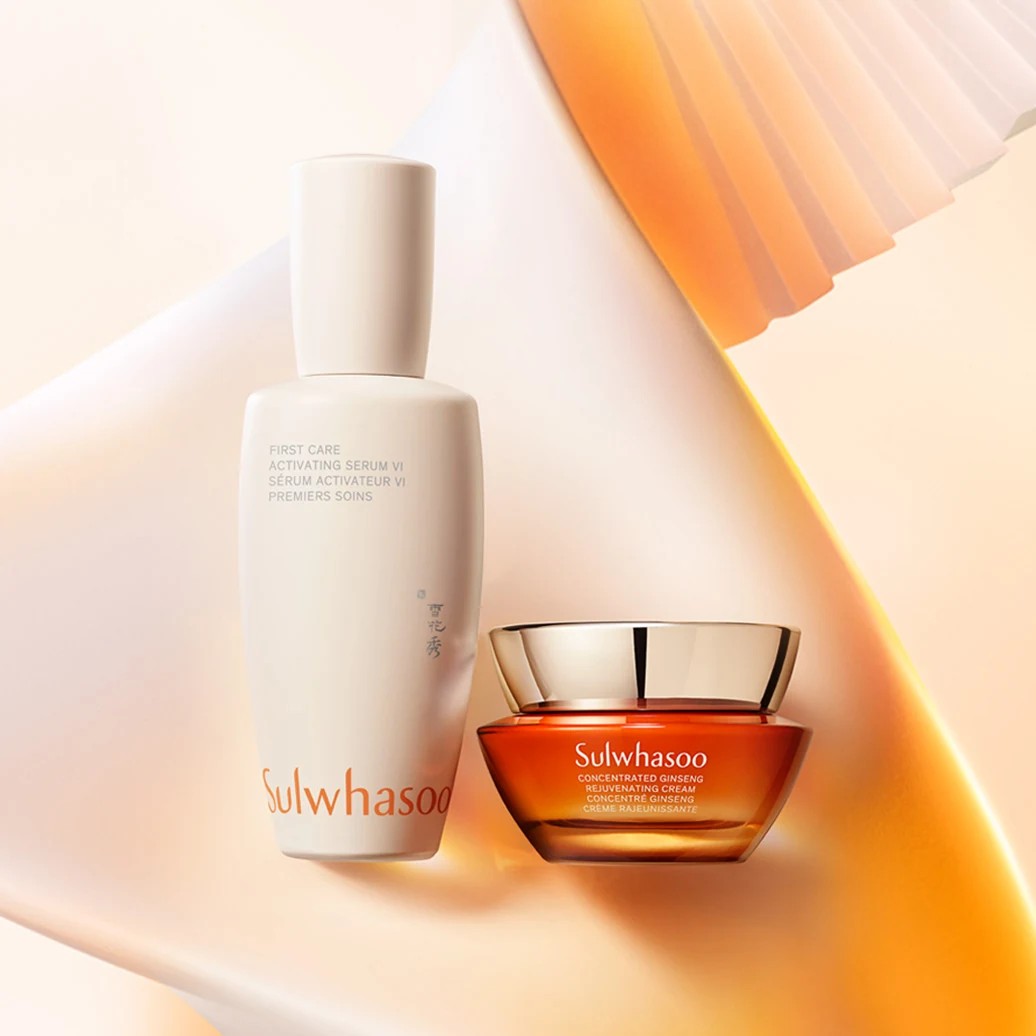
Products utilizing antioxidant ingredients such as glutathione can be found in Amorepacific's Sulwhasoo and IOPE.

You can learn more about Amorepacific's research and development philosophy and the latest technology trends at the link below.

Explore Amorepacific Research & Innovation

Glutathione Fact Check

We examine information about Glutathione that is frequently misunderstood or exaggerated to gain a more balanced understanding of its characteristics as a cosmetic ingredient.

QuestionFact Check
Does Glutathione guarantee skin regeneration?
Currently, there is little convincing evidence supporting Glutathione for the purpose of improving hyperpigmentation, and there are many unresolved controversies surrounding its use [8]. With cosmetics, it is realistic to expect a degree of gradual condition improvement.
Can using Glutathione cosmetics produce the effects of a procedure?
There is a gap between the evidence supporting its efficacy and safety, and the hype about its depigmenting properties may be a marketing strategy of cosmetic companies [1]. Cosmetics and medical procedures differ in the depth and manner of their actions.
Is Glutathione suitable for all skin types?
Glutathione is an antioxidant that naturally exists in the body, and topical studies have generally reported good tolerability [2][7]. However, for people with sensitive skin, skin irritation, redness, itching, and swelling may occur [13][28][29].
Do I see immediate effects when I apply Glutathione?
Skin condition-related effects may appear 4 to 8 weeks after consistent application [16][30]. Cumulative results are more common than immediate change.
Is a higher concentration of Glutathione always better?
Among various forms of topical glutathione, 0.5% glutathione was significantly more effective than 0.1% and placebo [7]. Rather than concentration, formulation stability and skin compatibility may be more important.
Is Glutathione extracted from only one source?
Glutathione is an antioxidant present in plants, animals, fungi, and some bacteria [13][28][29]. In current industrial production, fermentation using yeast is the most important method [13][28][29].

How to Experience Glutathione Benefits

  • Realistic Changes to Expect

Topical formulations provide a good level of melanin reduction and skin texture improvement, but their persistence varies [4]. With consistent use, your skin tone may appear more even, or your skin may feel less dull [4]. You can expect a sense of reduced skin fatigue caused by environmental stress. You may also notice your skin texture feeling gradually smoother, and overall skin condition improvement when used together with other antioxidant ingredients. These changes are gradual and cumulative rather than dramatic.

  • Changes That Are Difficult to Expect

Key questions such as optimal duration of use, persistence of effects, and maintenance protocol remain areas of ongoing research [1]. It is difficult to expect a rapid change in skin tone, complete improvement of deep wrinkles, or complete resolution of pigmentation-related skin concerns from cosmetics alone. For these purposes, an appropriate medical approach, along with consultation with a specialist, may be more suitable.

Safety of Glutathione

Glutathione is generally used safely as a cosmetic ingredient. However, as with all cosmetic ingredients, individual reactions may vary, so please refer to the following.

General Safety

Oral and topical Glutathione are safe for cosmetic and medical management uses when properly formulated and applied, with rare and mild side effects [4]. It received a score of 1 on the EWG (Environmental Working Group) Skin Deep scale, indicating a low hazard profile across multiple safety categories, such as allergies and use restrictions [13][28][29]. Studies by Wahab et al. and Etnawati et al. also confirmed the safety of oral and topical glutathione, with no serious side effects reported. Minor complaints such as mild stinging or abdominal discomfort were rare and temporary [4].

When Caution is Needed

There is a lack of sufficient reliable information about the safety and side effects of glutathione. In particular, for people with sensitive skin, it may be associated with skin irritation, redness, itching, and swelling [13][28][29]. It may also cause skin discoloration in some people [13][28][29]. Since there is a possibility of irritation from co-formulated ingredients, it is advisable to check the full ingredient list [7]. Consultation with a specialist is recommended if you have existing skin concerns.

Frequently Asked Questions (FAQ)

What exactly is Glutathione?

Glutathione is a tripeptide composed of cysteine, glycine, and glutamic acid that functions as a major antioxidant. It is synthesized endogenously in the human body [5]. Glutathione is an antioxidant that naturally exists in the body, is involved in defense against oxidative stress, and its potential to alleviate visible signs related to skin aging and pigmentation is being studied [2]. In cosmetics, it is mainly used for the purposes of antioxidant protection and skin tone management.

What should sensitive skin keep in mind when using Glutathione products?

Overall, topical use of glutathione products is considered safe and rarely causes negative side effects [13][28][29]. However, co-formulated fragrances, preservatives, alcohol, and similar ingredients, rather than the ingredient itself, can be the cause of irritation [18]. It is advisable to check the full ingredient list and perform a patch test before using a new product.

What ingredients are good to use together with Glutathione?

Some formulations contain ingredients that enhance the effect of topical glutathione, such as ascorbic acid, ferulic acid, azelaic acid, and tocopherol [16][30]. Several additional studies examining the synergistic effects of glutathione with other antioxidants, such as Vitamin C and alpha-lipoic acid, have proposed a supportive antioxidant effect in reducing oxidative stress and improving skin health [6]. Combinations with niacinamide and hyaluronic acid can also be considered.

Can I use Glutathione and retinol together?

It is possible to use the two ingredients together, but an initial skin adaptation period may be needed. Since the skin may become sensitive in the early stages of retinol use [19], if you feel irritation, it is advisable to adjust the interval of use or consult a specialist.

Can I use Glutathione together with exfoliating ingredients (AHA/BHA)?

They can be used together, but the skin barrier may become temporarily sensitive after exfoliation [20]. Rather than using them at the same time, it is advisable to use them on separate days or to adjust while observing your skin condition.

Can I use Glutathione products right after a procedure?

It depends on the type and intensity of the procedure and the individual skin condition. When topical glutathione is combined with lasers or chemical peels to improve hyperpigmentation, it is done under medical supervision [16][30]. After a procedure, following the guidance of the medical professional in charge of the procedure takes top priority.

Do pores shrink when I use Glutathione cosmetics?

Pore size is determined by a combination of factors such as genetics, sebum secretion, and skin elasticity [21]. When skin tone is evened out through the use of Glutathione, you may experience pores feeling less prominent, but it is difficult to expect permanent pore reduction.

When can I expect to feel the effects of Glutathione?

Skin condition-related effects may appear 4 to 8 weeks after consistent application [16][30]. When used together with other antioxidant ingredients, improvement gradually becomes more pronounced [16][30]. In the case of a 2% concentration cream, 10 weeks of use reported changes in skin-tone-related assessments [16][30]. The changes felt may vary depending on individual skin condition and environment.

What are the differences between Glutathione and similar ingredients?

Glutathione (GSH) is the reduced form with direct antioxidant activity [5], and oxidized glutathione (GSSG) has high stability, making it advantageous for formulation. N-acetyl cysteine (NAC) is a precursor of glutathione that helps glutathione synthesis in the body [5]. Vitamin C plays a role in recycling glutathione to increase its activity [9].

By what criteria should I choose Glutathione cosmetics?

If you have sensitive skin, it is advisable to check the full ingredient list and avoid ingredients with potential for irritation (fragrances, alcohol, etc.). If skin tone management is the goal, check for co-formulated ingredients such as Vitamin C and niacinamide. A brand's research capabilities and formulation stability are also factors worth considering.

Sources

※ The effects and technologies of ingredients described in this content are based on Amorepacific's own research and publicly available academic and scientific sources to provide a general understanding of cosmetic ingredients. It is not intended for medical diagnosis or treatment purposes. For personal medical concerns, please consult a qualified medical professional.