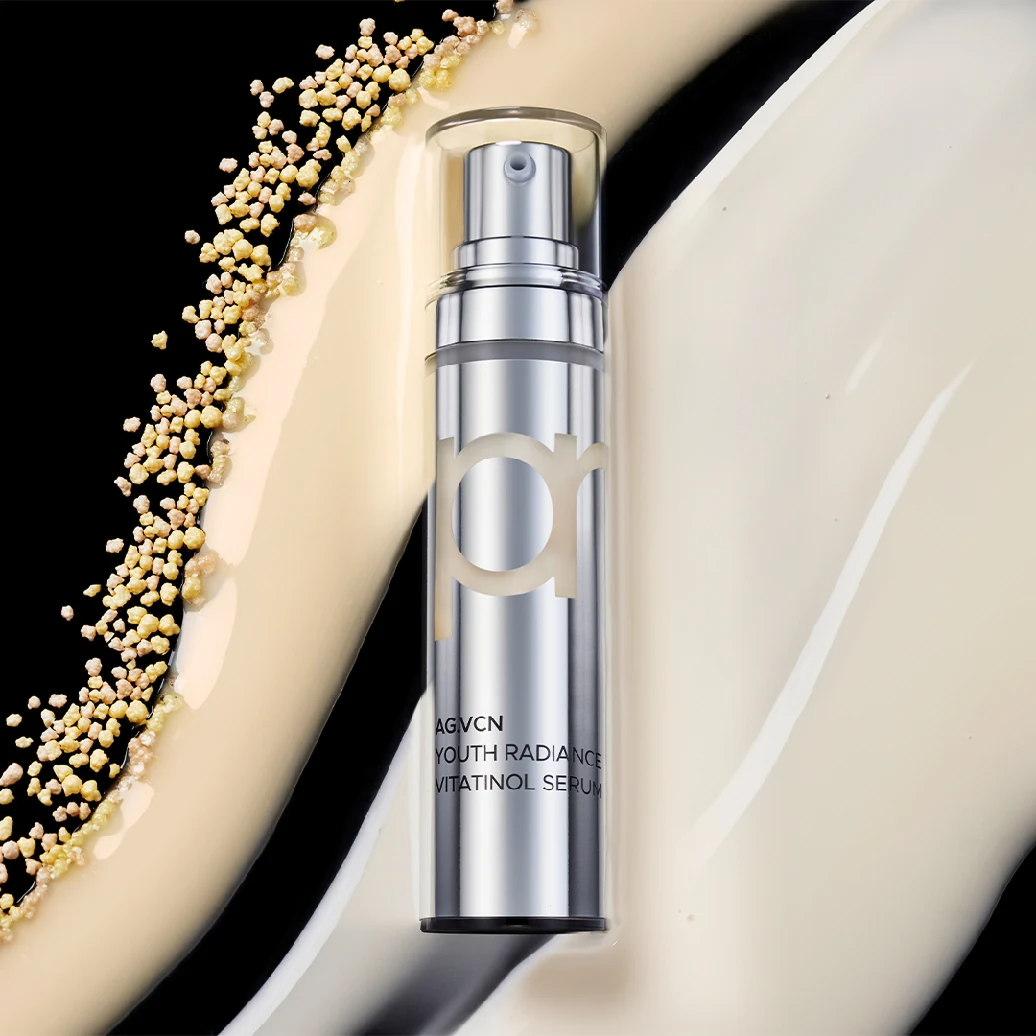
Are there moments when, looking in the mirror in the morning, you notice fine lines around your eyes, your skin tone looks uneven, or you feel that your firmness is not what it used to be? As time passes, the skin's collagen production naturally decreases, skin renewal processes may become slower with age, and the overall skin texture can become rough. If your concerns are "wrinkle improvement," "smoother skin texture," or "firmness care," the ingredient that comes to mind is Retinol. As a Vitamin A derivative, it is one of the ingredients with the longest research history in dermatology and is widely used as a cosmetic ingredient.

While Retinol is an ingredient that has been studied for decades in the field of dermatology, how it works in cosmetics may differ from its applications in medical research. For those concerned about signs of skin aging, who want to improve their skin texture, or who wish to choose cosmetics based on ingredients, we explore Retinol from the perspective of a cosmetic ingredient and introduce how it can be incorporated into your skincare routine.

Retinol at a Glance

CategoryKey SummaryCheck Point
Ingredient Name
Retinol
Also labeled as various derivatives such as Retinyl Palmitate, Retinyl Acetate, and Retinal
Ingredient Classification
Vitamin A derivative (retinoid class)
Vitamin A belongs to the group of fat-soluble substances and is included in the retinoid category [1]
Source
Synthetic or extracted from natural raw materials
Cosmetic retinol and its derivatives can be manufactured as standardized raw materials through synthesis and derivatization processes, and because they are sensitive to light, oxygen, and heat, it is important to secure quality stability through stabilization technologies such as derivatization, encapsulation, and light-blocking packaging [26][30]
Expected Skin Benefits
Smoother skin texture, relief of fine lines, improved firmness, even skin tone, less prominent pores
Gradual and cumulative rather than dramatic; individual results vary
Functions in Research
Skin-firmness-associated pathways, skin-condition-related biological responses, and retinoid signaling mechanisms have been studied [2]
Based on medical research; cosmetic results vary
Suitable Skin Types
Skin concerned with signs of aging, skin wanting smoother texture, skin with reduced firmness, skin concerned with pores
Sensitive skin should start with a low concentration; consultation with a specialist is recommended in case of irritation
Precautions
Temporary reactions such as dryness, irritation, itching, redness, and flaking are possible [7]
UV protection is essential; caution when combined with other irritating ingredients

What is Retinol?

Retinol is one of the naturally occurring forms of vitamin A and acts as a precursor of retinal and retinoic acid. [3][1] Vitamin A belongs to the group of fat-soluble substances and is included in the retinoid category. [1] In the body, retinol is converted into retinal and subsequently into retinoic acid, the biologically active form. [3][1] As an ingredient in skincare products, retinol is used to reduce wrinkles and other signs of skin aging. [3][1] Retinol promotes the activity of keratinocytes, fibroblasts, melanocytes, and Langerhans cells, and interacts with receptors within keratinocytes to promote proliferation, strengthen epidermal protective function, and reduce transepidermal water loss. [1]

The importance of retinol (Vitamin A) was discovered during World War I, and subsequent research revealed that its deficiency causes xerosis and follicular hyperkeratosis. [3] The modern history of retinoids began in 1909 with the discovery of Vitamin A, an element essential for embryonic survival, in egg yolk fat extract. [3] All-trans retinol began to be used in general cosmetics from 1984, and in 1995, a study by Dr. Kang et al. revealed that applying all-trans retinol to normal human skin increases epidermal thickness and enhances CRABP II and CRBP mRNA and protein expression, drawing attention to its potential for improving photoaging. [3] Vitamin A is the first vitamin approved by the U.S. FDA as a wrinkle-improving agent that changes the appearance of the skin's surface and has anti-aging effects. [1]
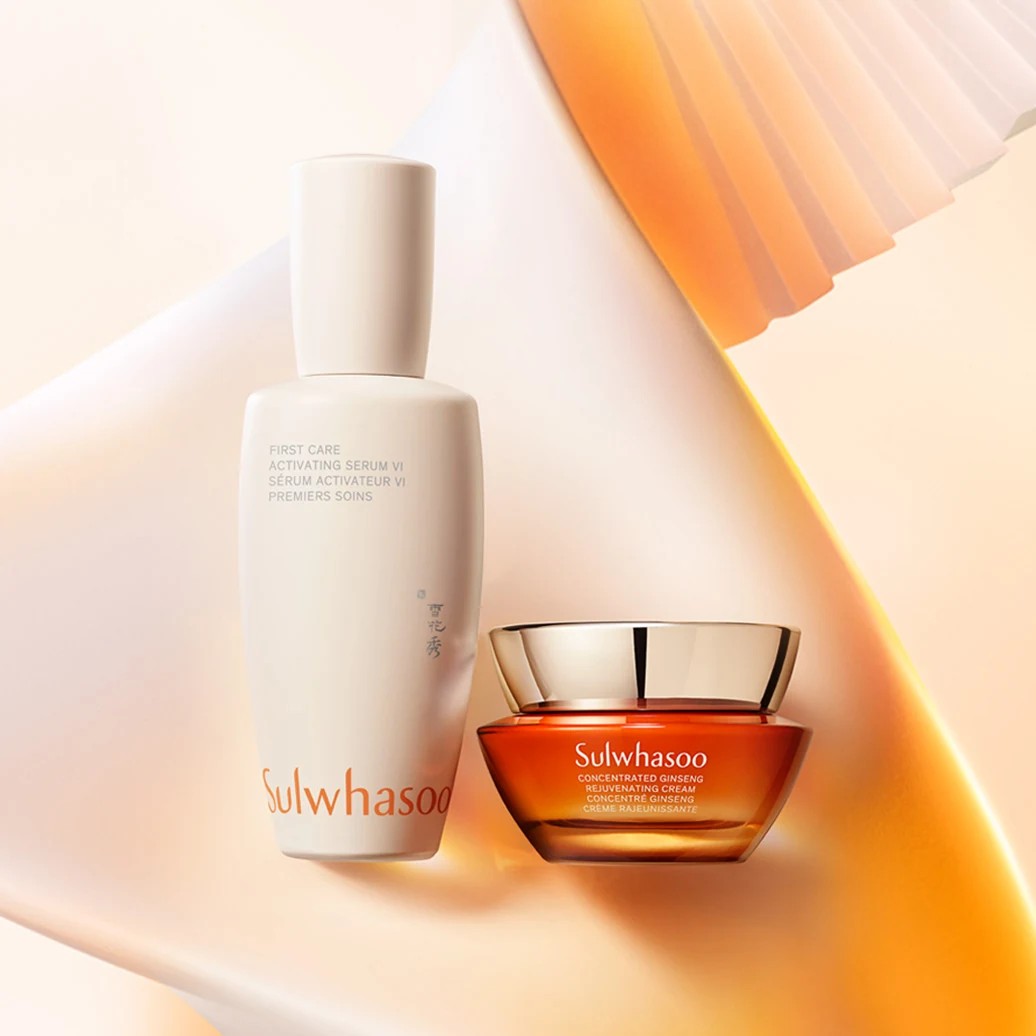

Differences Between Retinol and Similar Ingredients

There are similar ingredients often mentioned alongside Retinol. Understanding the characteristics of each ingredient is helpful when checking a product's ingredient list.

Ingredient NameCharacteristicsConversion Steps
Retinol
A representative Vitamin A ingredient that has been used in OTC cosmetics since 1984 [3]
In the skin, it is converted into retinoic acid via retinaldehyde to act, so 2-step conversion is needed to reach the active form [3]
Retinal (Retinaldehyde)
An intermediate metabolite in the process of conversion from retinol to retinoic acid, and a precursor to retinoic acid [3]
Metabolized into retinoic acid through a single-step conversion [3]
Retinyl Palmitate
A retinoid derivative that requires additional conversion steps before reaching the biologically active form [3]
3-step conversion needed [3]
Tretinoin (Retinoic Acid)
A prescription retinoid approved by the FDA in 1971; already an active form, does not require metabolic conversion to retinoic acid before exerting biological activity [8][3]
No conversion needed (prescription required) [8][3]

After being absorbed into the skin, retinol is first converted into retinaldehyde and then into retinoic acid, which induces the actual changes. Retinol is an effective Vitamin A derivative that can be used without a prescription, and because it causes little irritation, it is a suitable choice for those new to retinoids.

Benefits of Retinol

When discussing Retinol in cosmetics, the key point is "improving skin condition through supporting skin condition and firmness-related pathways." Based on the research accumulated in the medical field, the benefits you can expect from cosmetics can be summarized as follows.

1. Smoother and More Refined Skin Texture

When the skin's surface is rough and dead skin cells build up, makeup tends to flake, and skin tone appears uneven. Retinol has been studied in relation to skin-surface renewal pathways and skin-firmness-associated responses to reduce the appearance of fine lines and wrinkles, giving the skin a plumper, firmer feel. [7]

Retinol can provide an exfoliating effect on the skin's surface to help improve skin texture and tone. [9][1] However, the perceived effect when using cosmetics may vary depending on individual skin condition and environment.

2. Relief of Fine Lines and Support for Firmness

As we age, the skin's production of collagen and elastin naturally decreases. Retinol acts on wrinkles in two ways. First, it has been studied for its role in collagen-related pathways associated with skin firmness. It has been studied in relation to fibroblast-associated pathways linked to skin firmness. [2][16]

Second, retinol has been studied for effects on biological pathways associated with collagen maintenance. The skin naturally produces enzymes called matrix metalloproteinases that break down collagen, and retinol has been associated with biological pathways involved in maintaining skin structure. [2][16] However, unlike medical procedures, topical application through cosmetics works primarily at the skin's surface, so any improvement in firmness is gradual and cumulative.

3. Evening Out Skin Tone

When skin tone is uneven and pigmentation is a concern, the overall impression of the skin can appear dull. In addition to reducing fine lines and wrinkles and improving barrier function, retinol has the effect of supporting a more even-looking skin tone and overall skin appearance. [4]

Retinol has shown efficacy in improving the visual signs of intrinsic and extrinsic aging, such as wrinkles, fine lines, and irregular pigmentation. [2] However, in the case of severe pigmentation concerns, consultation with a specialist is recommended.

4. Support for Skin Barrier Function

When the skin barrier weakens due to environmental stress or seasonal changes, moisture loss accelerates, and skin can become more sensitive to external irritants. Retinol improves skin barrier function and promotes the process of retaining moisture. This process may contribute to improved elasticity and wrinkle improvement effects. [4]

The wrinkle-improving properties of retinoids promote keratinocyte proliferation, strengthen epidermal protective function, inhibit transepidermal water loss, prevent collagen breakdown, and inhibit metalloproteinase activity. [1] This can indirectly contribute to maintaining skin barrier function.

5. Combination with Other Ingredients

Retinol can offer synergistic effects when used together with various active ingredients. Hyaluronic acid is an excellent moisturizer that slows moisture evaporation from the skin, and by soothing and plumping the skin, it can help alleviate the irritating effects of retinol use. [7]

Niacinamide is a Vitamin B3 derivative that helps protect the skin and can help alleviate potential sensitivity associated with retinol use. [7] When used with Vitamin C, you can expect synergy for skin tone management, but for skin sensitive to irritation, it is advisable to separate the times of use.

Amorepacific's Perspective on Retinol

Skin changes every day amid different environments and conditions. Rather than presenting a particular ingredient as the "right answer," Amorepacific has explored ways to flexibly select and use ingredients according to each individual's skin condition and goals. Retinol is likewise an ingredient whose potential has been explored from multiple angles through more than 30 years of research.

Scientific Understanding of Retinol Mechanism of Action

Amorepacific researchers focus on the mechanism of action of Retinol to explore its potential in cosmetics. The main pathways of action of Retinol mentioned in the research literature can be summarized as follows.

Retinoic acid receptor activation pathway

The mechanism of retinol's action involves the activation of retinoic acid receptors (RARs) and retinoid X receptors (RXRs), which regulate gene transcription and cell differentiation. [2] After being absorbed into the skin, retinol is converted into retinoic acid by enzymes, and this retinoic acid binds to receptors in the cell nucleus to regulate the expression of various genes. Many of the tissue effects of retinoids are mediated by interactions with specific cellular and nuclear receptors. Cytoplasmic receptors include cellular retinoic acid binding protein (CRABP) types I and II and cellular retinol binding protein. [3]

Cell proliferation and extracellular matrix regulation

Retinol enhances the activity of fibroblasts, keratinocytes, Langerhans cells, and melanocytes. By interacting with receptors within keratinocytes, it influences biological pathways associated with skin structure and epidermal function. [10]

Amorepacific's Retinol Research

Retinol Stabilization Technology

Retinol is one of the most extensively studied anti-aging ingredients in skincare, but its instability presents a significant challenge for cosmetics formulation. However, in 1997, the Amorepacific R&I Center succeeded in stabilizing retinol for the first time in the world using a double-coating method with Natural Gum. [5]

Since launching its first retinol product in 1997, Amorepacific has continued research on raw material stabilization and irritation minimization for more than 30 years. Recently, the research has evolved into formulation, production process, and container technologies that increase the stability and absorption rate of pure retinol, and these achievements led to the 2024 IR52 Jang Young-sil Award and the 2022 Korea Technology Grand Prize Minister's Award. [18][19]


Through this research, Amorepacific achieved various accomplishments, such as 25 domestic patent applications, 22 overseas patent applications, 10 SCI-class paper publications, 18 presentations at international academic conferences, and 6 awards. [6]

Retinol RX Research

The core of recent research is in designing retinol to be delivered to the skin more effectively. Amorepacific presented "Retinol RX," precisely engineered at the nano-sized molecular level to align with the skin's natural structure, and has precisely analyzed the absorption and metabolic process by which retinoids are converted into retinoic acid through research using a 3D artificial skin model. [20][21]

Low-Irritation and Lip Care Expansion

In addition, Amorepacific has secured a composition patent to alleviate retinol-induced irritation and has advanced its low-irritation design. [23] This technology is expanding into various categories, including lip care, and Primera became the first Amorepacific brand to apply retinol to a lip product. [24][25]

Realistic Application in Cosmetics

When applying this scientific background to cosmetics, several practical considerations are necessary.

A significant portion of the research evidence was accumulated in the contexts of pharmaceuticals or professional procedures. Retinol requires further conversion into retinoic acid in vivo. [3] Cosmetics work primarily at the skin's surface, and the stratum corneum, and delivery technology, formulation stability, and formulation design determine the perceived effect. Therefore, it is advisable to approach retinol not as an "all-purpose solution" but as "one part of a skincare routine."

Amorepacific's Research Direction

Amorepacific is researching the potential of Retinol from multiple angles. Amorepacific conducts comprehensive research on skin biology, delivery technology, and formulation stability, and continues its research from the perspective of sustainable beauty that considers the ethical sourcing of raw materials, environmental impact, and long-term skin health.


Products utilizing Retinol-related technology can be found in Amorepacific brands such as Sulwhasoo, INNISFREE, Primera, IOPE, and AESTURA.

You can learn more about Amorepacific's research and development philosophy and the latest technology trends at the link below.

Explore Amorepacific Research & Innovation

Retinol Fact Check

We examine information about Retinol that is frequently misunderstood or exaggerated to gain a more balanced understanding of its characteristics as a cosmetic ingredient.

QuestionFact Check
Does Retinol guarantee skin regeneration?
Retinol begins acting in cells right away, but it takes several weeks to see improvement in the skin's appearance. In fact, your skin may initially look worse as it adjusts to a new routine. [7]
Can using Retinol cosmetics produce the effects of a procedure?
Retinol requires further conversion into retinoic acid in vivo. [3] Cosmetics and medical procedures differ in the depth and intensity of their actions.
Is Retinol suitable for all skin types?
Retinol is a powerful tool for aging skin and acne, but it is not suitable for everyone. If you have allergies or sensitive skin, you may consider alternative ingredients. [7]
Do I see immediate effects when I apply Retinol?
The effects are not immediate. Most people need about 12 weeks of consistent use to see a noticeable change in fine lines, and the first few weeks may be accompanied by flaking and irritation as the skin adapts. [2][16]
Is a higher concentration of Retinol always better?
Using a high concentration of retinol too quickly can cause the likelihood of irritation in some individuals. It is essential to start with a low concentration and gradually increase the amount as the skin builds tolerance. [17]
Is Retinol extracted from only one source?
Cosmetic retinol and its derivatives can be manufactured as standardized raw ingredient through synthesis and derivatization processes. [26][30] Currently, most cosmetic retinol is manufactured synthetically.

How to Experience Retinol Benefits

  • Realistic Changes to Expect

With consistent use of Retinol cosmetics, you can experience your skin texture becoming smoother and your makeup adhesion improving. [1] You may feel that fine lines appear less prominent, and your skin tone becomes more even than before. You may notice that pores are less visible, and your overall sense of skin firmness improves. However, these changes are felt gradually and cumulatively rather than dramatically.

  • Changes That Are Difficult to Expect

Complete removal of deep wrinkles, rapid effects at the level of prescription retinoids, permanent reduction of pore size, and complete resolution of severe pigmentation are difficult to expect from cosmetics alone. For these purposes, you may consider medical-level improvement through consultation with a specialist.

Safety of Retinol

Retinol is generally used safely as a cosmetic ingredient. However, as with all cosmetic ingredients, individual reactions may vary, so please refer to the following.

General Safety

The European Commission's Scientific Committee on Consumer Safety (SCCS) reassessed the use of Vitamin A and its derivatives in October 2022. The SCCS revised its safety opinion on retinol, retinyl acetate, and retinyl palmitate, and assessed that using Vitamin A at concentrations of 0.05% RE in body lotion and 0.3% RE in other leave-on and rinse-off products is safe. [27]

Retinol is well-tolerated at typical doses. [3][1] Unlike tretinoin, retinol showed only minimal signs of erythema and irritation. In another study, retinol was found to cause significantly less transepidermal water loss, erythema, and flaking than retinoic acid. [3]

When Caution is Needed

Retinol makes the skin more sensitive to sunlight, so it is important to use sunscreen and avoid the sun as much as possible while using retinol products. [7]

Many people who start retinol for the first time may experience some degree of flaking, dryness, redness, or peeling during the first few weeks. This phase is also called retinization and generally lasts 2 to 6 weeks. [2][16] These temporary reactions are part of the adaptation process that may occur with retinol use.

Consultation with a specialist is recommended if you have existing skin concerns or if irritation persists.

Frequently Asked Questions (FAQ)

What exactly is Retinol?

Retinol is a hydrolyzed metabolite of retinyl esters and belongs to the alcohol form of the Vitamin A1 group. Retinol or other forms of Vitamin A are fat-soluble vitamins found in food and are also used as dietary supplements. [3][1] In cosmetics, it is mainly used for the purposes of improving skin texture, relieving wrinkles, and supporting firmness. [1]

What should sensitive skin keep in mind when using Retinol products?

For most people, retinol will be the best first choice for using retinoids. Because retinol has a low concentration, it is likely to be less irritating. When starting a new routine, applying retinol cream every other day can give the skin more time to adapt. [11] Co-formulated fragrances, preservatives, and similar ingredients, rather than retinol itself, can be the cause of irritation, so checking the full ingredient list and performing a patch test are important. [12]

What ingredients are good to use together with Retinol?

Hyaluronic acid is an excellent moisturizer that slows moisture evaporation from the skin. By soothing and plumping the skin, it can help alleviate the irritating effects of retinol use. [7] Niacinamide is a Vitamin B3 derivative that helps protect the skin and can help alleviate the irritating side effects of retinol. [7] In addition, combinations with moisturizing and soothing ingredients such as ceramide, squalane, and panthenol are good.

Can I use Retinol and Vitamin C together?

Vitamin C can help brighten dark spots and reduce fine lines and wrinkles. [7]

Can I use Retinol together with exfoliating ingredients (AHA/BHA)?

Both retinol and salicylic acid can dry out and irritate the skin. Excessive dryness can stimulate increased sebum production and compromise overall skin condition. [7] Since both ingredients have an exfoliating effect, using them on the same day can intensify irritation. [13] It is recommended to use them on separate days or to combine them after the skin has built up sufficient tolerance.

Can I use Retinol products right after a procedure?

It depends on the type and intensity of the procedure and the individual skin condition. Immediately after procedures such as lasers or peels, the skin is sensitive, so it is common to temporarily discontinue retinol use. [14] For the timing of resuming retinol after a procedure, please follow the guidance of the medical professional who performed the procedure.

Do pores shrink when I use Retinol cosmetics?

Retinol can help reduce the appearance of wrinkles and enlarged pores. [9][1] Pore size is determined by a combination of factors such as genetics, sebum secretion, and skin elasticity. [15] With retinol use, you may experience pores feeling "less prominent," but it is difficult to expect permanent pore reduction.

When can I expect to feel the effects of Retinol?

The effects are not immediate. Most people need about 12 weeks of consistent use to see a noticeable change in fine lines, and the first few weeks may be accompanied by flaking and irritation as the skin adapts. [2][16] Improvement in skin texture or changes in feel can be experienced relatively quickly, but improvement in wrinkles or firmness is felt cumulatively. [16] Results vary depending on individual skin condition and environment.

What are the differences between Retinol and similar ingredients?

Retinol, retinaldehyde (retinal), and tretinoin are all retinoids, but they differ in strength and effect. On the retinoid strength scale, retinol is the mildest, with a low potential for irritation, making it suitable for most skin types. Retinal is a precursor one step closer to retinoic acid than retinol, metabolized into the active form retinoic acid after a single conversion step in the skin. In addition, retinal and retinol are reported to be retinoids that are relatively less irritating than tretinoin and tazarotene. [3] Tretinoin is the most powerful but requires a prescription and also has a higher potential for irritation. [3]

By what criteria should I choose Retinol cosmetics?

If you have sensitive skin, check the full ingredient list for potentially irritating fragrances and preservatives. If you are using it for the first time, it is advisable to start with a low concentration (0.1-0.3%). [22][17] Choose encapsulated retinol products. Retinol is sensitive to light, oxygen, and heat and prone to degradation, but encapsulation technology can protect retinol and help it release slowly, improving stability and skin comfort. [28][29] Choosing a product with applied stabilization technology can better maintain the efficacy of retinol. Products co-formulated with soothing and moisturizing ingredients such as hyaluronic acid and niacinamide are also a good choice.

Sources

※ The effects and technologies of ingredients described in this content are based on Amorepacific's own research and publicly available academic and scientific sources to provide a general understanding of cosmetic ingredients. It is not intended for medical diagnosis or treatment purposes. For personal medical concerns, please consult a qualified medical professional.