
Have you ever looked in the mirror in the morning to find the area around your eyes puffy and your dark circles looking darker? Or noticed your skin texture looking dull and sunken after sitting in front of a monitor for a long time, and your skin condition feeling unsettled after sun exposure? If you have these concerns, you naturally end up searching for "eye contour care," "dark circle and puffiness care," or "antioxidant sun care support," and the methylxanthine-class active ingredient that frequently appears in cosmetic formulations for these concerns is Caffeine. Caffeine is an alkaloid with a 1,3,7-trimethylxanthine backbone, and it is an ingredient for which multiple mechanisms of great value in cosmetic formulation—such as phosphodiesterase (PDE) inhibition and elevated cAMP, capillary constriction, and free radical scavenging—have been reported. [1][2]

While Caffeine is an ingredient with a substantial body of research accumulated in the fields of pharmacology and dermatology, how it works in cosmetics may differ from its medical uses. For those whose eye-area condition often feels unsettled, whose skin texture tends to break down after sun or environmental stress, or who wish to choose cosmetics based on ingredients, we introduce Caffeine from the perspective of a facial, eye-zone, and body skincare ingredient.

Caffeine at a Glance

CategoryKey SummaryCheck Point
Ingredient Name
Caffeine
Also labeled as 1,3,7-Trimethylxanthine, 1,3,7-Trimethyl-1H-purine-2,6(3H,7H)-dione, and similar [3]
Ingredient Classification
Methylxanthine-class alkaloid
Classified with Fragrance and Skin Conditioning functions in cosmetic ingredient databases; multiple activities such as PDE inhibition, elevated cAMP, and capillary constriction have been reported [1][3]
Source
Plant extraction or synthetic purification
Extracted from methylxanthine-containing plants such as coffee, tea, guarana, and cocoa, or chemically synthesized and purified [1][3]
Expected Skin Benefits
Support for refining the appearance of eye-area puffiness and dark circles, skin-texture care, surface stabilization after sun and environmental stress, antioxidant support
Gradual results through consistent use rather than immediate change
Functions in Research
Capillary constriction and microcirculation stimulation; support for lipolysis via PDE inhibition and elevated cAMP in adipocytes; free radical scavenging and easing of UVB-induced stress [1][2][6][7]
Based on medical, cellular, and clinical model research; cosmetic results vary by individual
Suitable Skin Types
Skin where eye-area condition is a concern, skin that looks dull with disrupted texture, skin with accumulated sun and environmental stress, skin that needs antioxidant support
Consultation with a specialist is recommended for specific skin concerns
Precautions
Use within established concentration standards; formulation concentration and formula determine the perceived effect [3][8]
Check the full ingredient list; a patch test is recommended for first-time use

What is Caffeine?

Caffeine is a methylxanthine-class alkaloid with the chemical structure known as 1,3,7-trimethylxanthine. Its INCI (International Nomenclature of Cosmetic Ingredients) name is "Caffeine," and it is listed with Fragrance and Skin Conditioning functions in cosmetic ingredient databases. [3] Caffeine inhibits phosphodiesterase (PDE), the enzyme that breaks down cyclic adenosine monophosphate (cAMP) within adipocytes, thereby raising cAMP levels; as a result, a mechanism promoting the lipolysis pathway has been reported, and at the same time it is described as inducing capillary constriction and microcirculation stimulation through adenosine receptor antagonism. [1][2] In cosmetics, these multiple activities serve as the basis for its use across various areas, such as eye contour care and antioxidant and sun-support formulations.

Caffeine is an alkaloid first isolated and purified from coffee beans in 1820 by the German chemist Friedlieb Ferdinand Runge; following its study in pharmacology and food science, it began to be researched in earnest in the field of dermatology from the 1980s–1990s onward. [1] From the late 1990s, caffeine's PDE inhibition and cAMP elevation mechanisms were applied to research on topical cellulite products [7], and from the 2000s onward, quantitative studies on the human skin penetration kinetics of topical caffeine followed. [4] In the 2010s, clinical studies on care for dark circles and puffiness around the eyes [6] and clinical studies evaluating caffeine as an adjuvant in sunscreen formulations [9] were reported, expanding the research field beyond a simple stimulant ingredient to an eye-zone, antioxidant, and microcirculation-support ingredient. It is listed as a methylxanthine-class active ingredient in the European cosmetic ingredient database (COSMILE Europe) [3], and the U.S. PCPC guide information also compiles cases of its use in the cosmetics and OTC areas. [11]

Differences Between Caffeine and Similar Ingredients

Caffeine is often compared with other ingredients within the same methylxanthine class and microcirculation-active category. [1][2] Each ingredient differs in chemical structure, pathway of action, and breadth of use in cosmetics.

Ingredient NameCharacteristics
Caffeine
Methylxanthine class; supports lipolysis via PDE inhibition and elevated cAMP, along with capillary constriction, microcirculation stimulation, and free radical scavenging [1][2]
Theophylline
Methylxanthine class; has stronger PDE-inhibitory activity than caffeine, but caffeine is used as the standard active in topical cosmetics [1]
Theobromine
Methylxanthine class; a tendency toward vasodilation has been reported, an activity opposite in nature to caffeine's capillary constriction [2]
Vitamin K (Phytonadione, etc.)
Evaluated in clinical studies as co-formulated with caffeine to support the appearance of dark circles by managing hemoglobin breakdown products [6]

Even within the same methylxanthine class, caffeine is distinguished by having PDE inhibition and elevated cAMP reported together with capillary constriction and antioxidant activity, supporting its use across eye-zone contour and sun-support formulations. [1][2][9]

Benefits of Caffeine

When discussing Caffeine in cosmetics, the key point is "multiple activities that care for the eye area, skin texture, and microcirculation on multiple levels." Based on the research accumulated in the fields of pharmacology and dermatology, the benefits you can expect from cosmetics are summarized as follows.

1. Support for Eye Contour Care (Puffiness and Dark Circles)

The puffy eyelids and darker-looking dark circles you face in the morning are an appearance created by a combination of stagnant microcirculation around the eyes, accumulated venous blood flow around the orbit, hemoglobin breakdown products, and similar factors. [6] Caffeine has reported activity of partially constricting capillaries and stimulating microcirculation through adenosine receptor antagonism [1][2], and in a clinical study applying eye contour pads containing 3% caffeine and 1% vitamin K once a week for 4 weeks, a trend was reported of the dark circle index decreasing by 16% and the periorbital elasticity index improving by 61–75% at week 4. [6] However, it should be noted that the perceived effect through cosmetics is gradual and is refined cumulatively together with lifestyle variables such as sleep, water intake, and sun care.

2. Skin Texture and Surface Care with Antioxidant Support

When exposure to UV rays, fine dust, and digital displays accumulates, reactive oxygen species increase, which can easily lead to rough texture and a dull-looking appearance. Caffeine is regarded as a natural antioxidant with strong hydroxyl radical scavenging activity [1][9], and in a clinical study that added topical caffeine as a 2.5% adjuvant ingredient to a sunscreen formulation, a trend was reported of improved free radical generation indices and an in vivo SPF increase of about 25%. [9] In cosmetics, it is also cited for skin-texture and surface care, and antioxidant support activity. However, unlike medical devices and pharmaceuticals, cosmetics work primarily at the surface and stratum corneum, so it must be clearly distinguished that it is not an ingredient that replaces sunscreen itself.

3. Supporting Active in Topical Cellulite Formulations

The orange-peel-like surface appearance in areas rich in subcutaneous fat, such as the buttocks, thighs, and upper arms, is explained as the result of a combination of factors, including capillary stagnation, changes in dermal connective tissue, and adipocyte enlargement. [7] Caffeine has a reported mechanism of inhibiting PDE within adipocytes to raise cAMP levels and activating hormone-sensitive lipase (HSL) to promote lipolysis [1][7], and in a clinical study applying a slimming cream containing 3.5% water-soluble caffeine twice a day for 6 weeks, results were reported at week 6 of a 0.49-point (19.8%) decrease in a standard cellulite visibility scale, along with a 0.7 cm (1.7%) reduction in thigh circumference and a 0.8 cm (2.3%) reduction in upper-arm circumference. [7] However, it should be distinguished that caffeine in cosmetic formulations is a supporting-activity axis, and that the accumulation of non-skincare factors such as exercise, diet, and lifestyle also plays a part. [7]

4. Support for Surface Care After Environmental Stress

When external stressors such as UV rays, fine dust, and mask friction accumulate, the microcirculation and surface condition of the skin can easily become unsettled together. Caffeine is an alkaloid that has been studied in the food and pharmacology fields for nearly 200 years, and multiple activities (microcirculation stimulation, antioxidant action, PDE inhibition) have also been reported in the topical area, so it is used as a supporting axis of formulations that care for surface condition after environmental stress. [1][2][9] With accumulated multiple clinical and cellular evidence—such as antioxidant support in sunscreen formulations [9], eye-area care [6], and epidermal free radical scavenging [1]—it is natural in cosmetics for it to be used from the perspective of "multiple supporting activities" rather than a single activity. However, skin delivery efficiency at a specific concentration and formulation is greatly influenced by formulation design, and caffeine, as a hydrophilic compound, is reported to have penetration patterns that vary depending on the type of formulation (gel vs. emulsion) and use of the follicular route. [4]

5. Combination with Other Ingredients

Caffeine combines with a variety of active ingredients and tends to blend smoothly in terms of the resulting skin condition. When formulated together with vitamin K (phytonadione) and peptides, a trend of refining the appearance of periorbital dark circles and elasticity indices on multiple levels has been reported in clinical studies. [6] In sunscreen formulations, it can be combined with chemical UV-filter actives such as ethylhexyl methoxycinnamate and avobenzone to add photostabilization and antioxidant support activity [9], and when combined with niacinamide and vitamin C, it can provide supplementary support for tone and texture care. Combinations with soothing ingredients such as panthenol and allantoin also blend naturally as support for easing irritation. However, if too many potentially irritating actives from the same category overlap, this can lead to irritation depending on skin condition, so checking the full ingredient list is helpful. [3]

Amorepacific's Perspective on Caffeine

Skin changes every day amid different environmental stressors and conditions. Rather than presenting a particular ingredient as the "right answer," Amorepacific has researched how various active ingredients work together within the larger framework of microcirculation, antioxidant action, and the skin barrier. Building on research accumulated in the areas of ginseng and green tea—Amorepacific's core natural resources—its own raw-ingredient technology utilizing the caffeine backbone is expanding into eye-zone and skin-texture care formulations. [5]

Scientific Understanding of Caffeine Mechanism of Action

The main pathways of action of Caffeine mentioned in the research literature can be summarized as follows.

Lipolysis-support pathway via PDE inhibition and elevated cAMP

Caffeine is reported to inhibit phosphodiesterase (PDE), the enzyme that breaks down cyclic adenosine monophosphate (cAMP) within adipocytes, thereby raising cAMP levels and, as a result, promoting the lipolysis pathway via hormone-sensitive lipase activity. [1][7] This pathway is cited as a surface-care activity in topical cellulite formulations, and at the same time, together with eye-zone capillary constriction and microcirculation stimulation, it serves as the basis for periorbital care.

Capillary constriction, microcirculation stimulation, and antioxidant pathway

Caffeine is described as partially constricting capillaries and stimulating dermal microcirculation through antagonism of adenosine A1 and A2 receptors. [2] At the same time, caffeine has reported natural antioxidant activity that efficiently scavenges hydroxyl radicals [1][9], so it is cited as a supporting activity that eases the oxidative stress and photoaging process induced by UVB exposure. [10] In the cosmetics field, these processes serve as the basis for eye-zone, skin-texture, and surface care activity.

Amorepacific's Caffeine Research

Building on research accumulated from ginseng and green tea, Amorepacific has expanded caffeine-class actives into raw-ingredient technology that helps manage skin conditions. IOPE unveiled a technology that targets improvements in skin elasticity, puffiness, and the barrier together by combining Bio-PDRN™, which cares for a damaged skin barrier, with Skin Caffeine™, which awakens stagnant skin to give a lifting effect. [15]

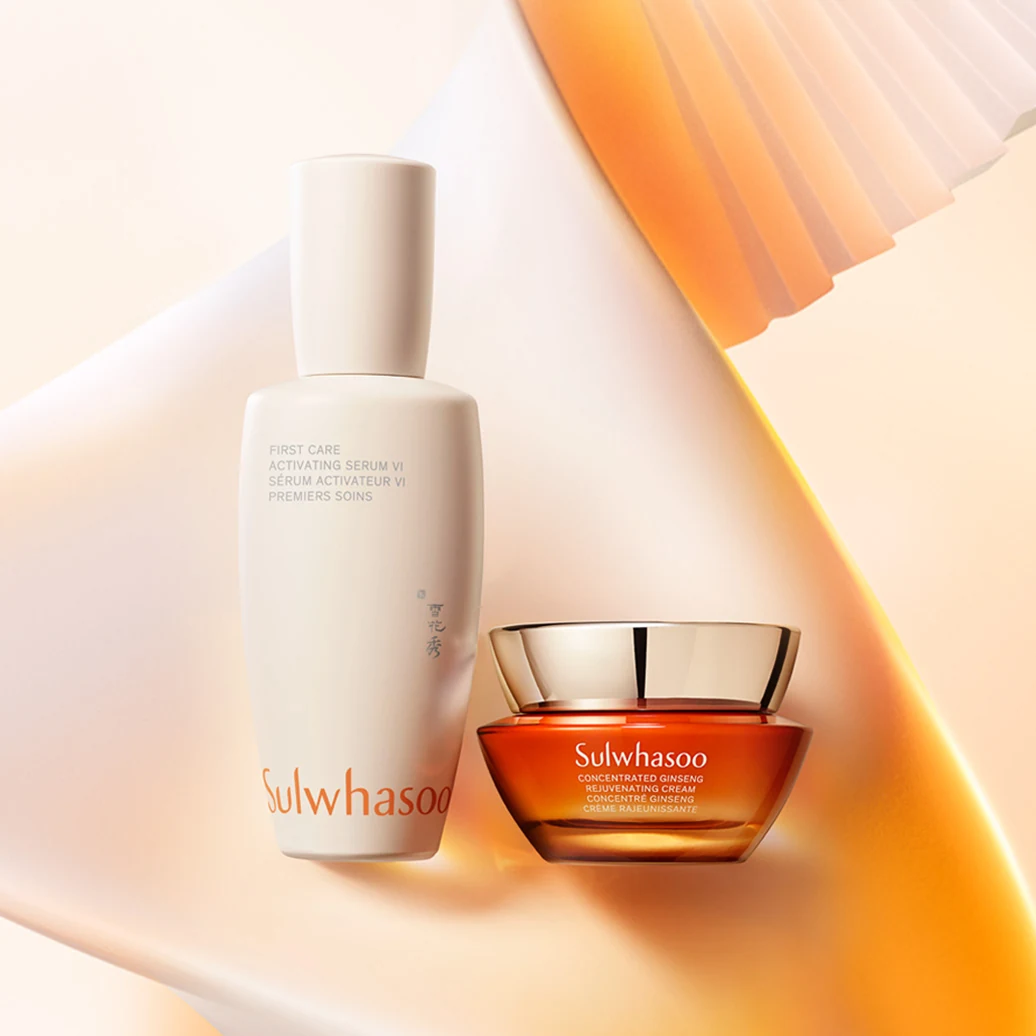
Sulwhasoo presents a technology that, along with Ginseng Lymphanax™—an ingredient derived from ginseng aged for 500 hours—combines Ginseng Caffeine™ activity that helps moisture circulation around the eyes, refining complex eye-area skin concerns such as dark circles, eye bags, and reduced eye-area elasticity on multiple levels. [5]

In addition, in the field of derma science, Amorepacific has announced a research strategy that defines sensitive skin by objective biological reactivity characteristics and extends to barrier lipids, the skin microbiome, and AI-based assessment. From this perspective, caffeine can be interpreted not as a single-benefit ingredient but as a supporting-activity ingredient that, combined with PDRN and ginseng-derived actives, helps balance the management of specific skin conditions. [1][2][5][12][15]

Realistic Application in Cosmetics

When applying this scientific background to cosmetics, several practical considerations are necessary.

Related research has been conducted in various fields, such as pharmacological clinical studies, cellular models, and topical clinical studies, and in cosmetics it works primarily at the skin surface and the stratum corneum. [1][6] In addition, caffeine, as a hydrophilic compound, is reported to have penetration patterns that vary greatly depending on the type of formulation and use of the follicular route [4][8], so rather than a simplistic standard of "the higher the concentration, the better," the combination among active ingredients, stabilization technology, and irritation-easing formulation design should be examined together. By combining this with its own natural-ingredient-based technologies such as ginseng and green tea, Amorepacific approaches condition care comprehensively through balance-centered formulation design rather than relying on a single ingredient. [5][12]

Amorepacific's Research Direction

Amorepacific is researching the potential of caffeine-class actives from multiple angles within the larger framework of microcirculation, antioxidant action, and the skin barrier. Amorepacific conducts comprehensive research on delivery technology of active ingredients and formulation stability, and approaches this from the perspective of sustainable beauty that considers long-term skin health.

Products utilizing caffeine or caffeine-class active-related technology can be found in Amorepacific brands such as Sulwhasoo, IOPE, and PREP by B.READY. [5][12] You can learn more about Amorepacific's research and development philosophy and technology trends at the link below.

Explore Amorepacific Research & Innovation

Caffeine Fact Check

We examine information about Caffeine that is frequently misunderstood or exaggerated to gain a more balanced understanding of its characteristics as a cosmetic ingredient.

QuestionFact Check
Does Caffeine completely eliminate dark circles?
Dark circles are the result of a combination of pigment, vascular, and structural appearances, and it is difficult for a single cosmetic step to guarantee "complete elimination." In clinical studies of caffeine-containing formulations, gradual refinement over 4-week intervals is reported. [6]
Can using Caffeine cosmetics produce the effects of a procedure?
Caffeine works at the skin surface and the stratum corneum, and differs from medical procedures in its depth and mechanism of action. It is difficult to expect results equivalent to a procedure from cosmetics. [1][6]
Is Caffeine suitable for all skin types?
As an active ingredient listed in cosmetic ingredient databases, it is used across various skin types, but if you have a history of irritation, it is advisable to examine the full formulation together. [3][11]
Do I see immediate effects when I apply Caffeine?
In clinical studies, dark circle and skin-texture indices are reported as gradual changes over 4- to 6-week intervals. It is appropriate to approach it as cumulative condition care rather than an immediate effect. [6]
Is a higher concentration of Caffeine always better?
Topical caffeine has been evaluated in clinical studies at various concentrations from 0.2% to 3.5%, and formulation design determines the perceived effect. Concentration is not an absolute standard. [4][7][9]
Is Caffeine extracted from only one source?
It is extracted from methylxanthine-containing plants such as coffee, tea, guarana, and cocoa, or chemically synthesized and purified, and used as a cosmetic raw material. [1][3]

How to Experience Caffeine Benefits

  • Realistic Changes to Expect

With the use of caffeine-containing cosmetics, you can expect the appearance of your eye-area condition gradually looking more refined in the morning, a gradual reduction in the dull appearance of your skin texture, gradual stabilization of a condition that had been unsettled after sun and environmental stress, antioxidant support for surface skin condition care, and overall skin condition care. These changes appear gradually and cumulatively rather than dramatically, and consistent use is important.

  • Changes That Are Difficult to Expect

It is difficult to expect complete elimination of deep pigmentation, fundamental restoration of elasticity down to the dermis, results equivalent to a medical procedure, permanent removal of cellulite, or changes in body size from cosmetics alone. If dark circles and puffiness are recurring and severe, consulting a specialist is recommended, and if more active condition care is needed, you may consider combining complementary ingredients such as vitamin K, peptides, and niacinamide.

Safety of Caffeine

Caffeine is a cosmetic ingredient with a usage history of over 30 years, and it is used safely within established usage-area standards. [11] However, as with all cosmetic ingredients, individual reactions may vary, so please refer to the following.

General Safety

In the European cosmetic ingredient database (COSMILE Europe), caffeine is listed with Fragrance and Skin Conditioning functions and is described as an active ingredient supplied through plant extraction or synthetic purification. [3] In the U.S. cosmetic ingredient safety assessment system, the CIR (Cosmetic Ingredient Review) expert panel under the PCPC (Personal Care Products Council) reviews the safety assessment of caffeine in a form that references FDA assessment results, and caffeine is also listed as an OTC stimulant active ingredient in the U.S.; its use in cosmetics is documented in areas such as bath products, cleansing products, makeup, after-shave products, and skincare. [11] In topical clinical studies, good tolerance has been reported in the 0.2%–3.5% concentration range without changes in irritation, erythema, or barrier indices [9], and as a supporting active in sunscreen formulations, no barrier damage was observed in a 24-hour occlusive patch test either. [9]

When Caution is Needed

Caffeine itself is generally classified as a stable ingredient within the normal usage concentration range, but co-formulated fragrances, surfactants, alcohol, and other active ingredients can be variables for irritation, so for first-time use it is helpful to apply a small amount to a small area and observe the reaction for about 24 hours. [3][11] Because caffeine is a hydrophilic compound with reported penetration utilizing the follicular route, the perceived effect can vary depending on the formulation [4], and consultation with a specialist is recommended if you have existing skin concerns or a history of irritation. [11]

Frequently Asked Questions (FAQ)

What exactly is Caffeine?

Caffeine is a methylxanthine-class alkaloid known as 1,3,7-trimethylxanthine, and in cosmetics it is classified with Fragrance and Skin Conditioning functions. It has multiple reported activities—support for lipolysis via PDE inhibition and elevated cAMP, capillary constriction, microcirculation stimulation, and free radical scavenging—so it is used in eye-zone, skin-texture, and antioxidant care formulations. [1][3]

What should sensitive skin keep in mind when using Caffeine products?

Caffeine itself is an active ingredient with good tolerance reported in topical clinical studies, but co-formulated surfactants, fragrances, and alcohol can be variables for irritation. [9][11] For sensitive skin, it is advisable to examine the full ingredient list and, for first-time use, to begin full use after a patch test.

What ingredients are good to use together with Caffeine?

Using it together with vitamin K (phytonadione, support for the appearance of dark circles), peptides (elasticity support), niacinamide (sebum, texture, and tone care), vitamin C (antioxidant and tone care), ceramide (barrier-condition support), and panthenol (skin soothing) can blend smoothly in terms of the resulting skin condition. [6][9]

Can I use Caffeine and retinol together?

They can be used together, but in the early stages of retinol use, the skin may become temporarily sensitive, so it is advisable to apply them step by step while monitoring your skin condition. [13] Caffeine is not an ingredient reported to directly conflict with retinol, but if actives from the same category overlap, this can lead to irritation, so checking the full ingredient list is helpful.

Can I use Caffeine together with exfoliating ingredients (AHA/BHA)?

They can be used together, and depending on the formulation, you can divide the roles between exfoliation care, microcirculation, and antioxidant support. However, since the skin barrier may become temporarily sensitive after using exfoliating ingredients [14], if you feel irritation, it can help to separate the timing of use or to use soothing ingredients together.

Can I use Caffeine products right after a procedure?

It depends on the type and intensity of the procedure and the individual skin condition. There are cases where caffeine's capillary-constriction and antioxidant-support activity has been reviewed as a supplementary aid in caring for the surface environment after a procedure [6][9], but for the immediate post-procedure stage and the timing at which use is possible, following the guidance of the medical professional who performed the procedure takes top priority.

Do pores shrink when I use Caffeine cosmetics?

Pore size is determined by a combination of factors such as genetics, the amount of sebum secretion, and skin elasticity. Since caffeine has been reported to support surface appearance through capillary constriction and microcirculation stimulation [1][2], you can expect an appearance of pores looking "less prominent" through texture care, but it is difficult to expect permanent pore reduction.

When can I expect to feel the effects of Caffeine?

In periorbital dark circle clinical studies, gradual changes over 4-week intervals were reported. [6] Surface care can be felt relatively quickly, but dark circle and skin-texture changes are felt cumulatively and may vary by individual.

What are the differences between Caffeine and vitamin K?

Caffeine is a methylxanthine-class alkaloid with reported PDE inhibition, elevated cAMP, capillary constriction, and microcirculation stimulation [1][2], while vitamin K (phytonadione) is an ingredient of a different class known for supporting the appearance of dark circles by managing hemoglobin breakdown products. [6] In periorbital clinical studies, there are cases where a formulation combining the two ingredients was evaluated, so a tendency for them to be used complementarily within a formulation has been reported. [6]

By what criteria should I choose Caffeine cosmetics?

If eye-zone contour care is your priority, it helps to look at formulations combined with vitamin K and peptides; if skin-texture and antioxidant care is your priority, formulations combined with vitamin C and niacinamide; and if you have sensitive skin, formulations with fewer fragrances and less alcohol. [6][9] Since a caffeine formulation's stabilization and delivery efficiency (especially use of the follicular route) determine the perceived effect, it is advisable to examine the full ingredient composition together rather than judging by the concentration of a single ingredient alone. [4][8]

I hear Caffeine is often used in the hair and scalp area, too—why is it not covered in this article?

Caffeine is an ingredient often used in the hair and scalp care area as well, but this content is limited to the skincare (skin management) perspective. The hair and scalp area is covered in separate content, and this article focuses on the use of caffeine in facial, eye-zone, and body skincare formulations.

Sources

※ The effects and technologies of ingredients described in this content are based on Amorepacific's own research and publicly available academic and scientific sources to provide a general understanding of cosmetic ingredients. It is not intended for medical diagnosis or treatment purposes. For personal medical concerns, please consult a qualified medical professional.