Have you ever sighed in the morning while looking in the mirror at your dull skin tone, uneven skin texture, and lifeless complexion? Skin exposed to UV rays and environmental stress tends to look dull and fatigued, and fine lines begin to stand out. If your concerns are "skin tone improvement" or "radiance care," the ingredient that comes to mind is Vitamin C. As an antioxidant ingredient naturally found in the skin, it is widely used as a cosmetic ingredient for its potential to help improve skin tone and texture.

While Vitamin C is an ingredient with a long research history in the medical and dermatological fields, how it works in cosmetics may differ from its applications in medical research. For those concerned about dull skin or uneven tone, who wish to choose cosmetics based on ingredients, and who are interested in antioxidant care, we explore Vitamin C from the perspective of a cosmetic ingredient and introduce how it can be incorporated into your skincare routine.

Vitamin C at a Glance

CategoryKey SummaryCheck Point
Ingredient Name
Vitamin C (Ascorbic Acid)
May be labeled as L-Ascorbic Acid, Ascorbic Acid, etc.
Ingredient Classification
Water-soluble antioxidant vitamin [1][2][3][4][7][8]
One of the most abundant antioxidant ingredients present in the skin [1][2][3][4][7][8]
Source
Natural extraction or fermentation synthesis [9][16]
Often produced through a fermentation process using glucose as a raw material
Expected Skin Benefits
Skin tone improvement, smoother skin texture, imparting radiance, antioxidant care
Gradual results expected through consistent use rather than immediate change
Functions in Research
Support for skin-tone-associated pathways, antioxidant-related mechanisms, and collagen-related biological responses [1]
Based on medical research; cosmetic results vary by individual
Suitable Skin Types
Dull skin, concerns about uneven tone, skin needing antioxidant care, dry/oily/combination alike
Sensitive skin should start with a low concentration; consultation with a specialist is recommended in case of irritation
Precautions
There is a possibility of irritation when using high concentrations [1]
Unstable to light and air, so take care in storage and use quickly after opening

What is Vitamin C?

Vitamin C is a water-soluble vitamin known chemically as ascorbic acid. As one of the antioxidant ingredients found in nature, most plants and animals can synthesize Vitamin C from glucose, but some vertebrates, including humans, are deficient in L-gulono-gamma-lactone oxidase and cannot synthesize it in their bodies. [4] Vitamin C is a normal skin component found in high concentrations in both the dermis and epidermis of the skin, with the Vitamin C content of the epidermis being higher than that of the dermis. [8] Normal skin contains high concentrations of Vitamin C, supporting important functions such as collagen-related biological pathways and providing antioxidant protection against UV-induced photodamage. [3]

Research on Vitamin C began in earnest in the 1930s when Albert von Szent-Györgyi identified Vitamin C as an anti-scurvy factor and won the Nobel Prize. Vitamin C has been studied as a powerful antioxidant ingredient that can be used topically in the field of dermatology to prevent and improve changes related to photoaging, and it is also used to improve hyperpigmentation. [4] Because the amount of biologically available Vitamin C in the skin is limited despite oral supplementation, topical application forms are preferred in cosmetics. [1]

Differences Between Vitamin C and Similar Ingredients

There are similar ingredients often mentioned alongside Vitamin C. Understanding the characteristics of each ingredient is helpful when checking a product's ingredient list.

Ingredient NameFull NameCharacteristics
L-Ascorbic Acid
L-Ascorbic Acid
The most biologically active form and the most studied [1]; hydrophilic and unstable, making skin penetration difficult due to the hydrophobic nature of the stratum corneum [1]
Magnesium Ascorbyl Phosphate (MAP)
Magnesium Ascorbyl Phosphate
Unlike L-ascorbic acid, it is a lipophilic ester form that is stable at neutral pH [1]
Ascorbyl Glucoside
Ascorbyl Glucoside
Has been studied as a stabilized vitamin C derivative with antioxidant and skin-tone-supporting properties [1]
Tetrahexyldecyl Ascorbate (THD)
Tetrahexyldecyl Ascorbate
A fat-soluble form with effective skin penetration [1]
Ethyl Ascorbyl Ether (EAA)
3-O-Ethyl Ascorbic Acid
Among Vitamin C derivatives, it has the highest ascorbic acid content (86%) and is a high-potency derivative that acts directly without conversion in the skin [10]; it is highly stable to light and heat and has both water-soluble and oil-soluble characteristics, giving it excellent skin penetration. [11] Due to these properties, it is frequently used as a cosmetic raw material [12]

Among all Vitamin C derivatives, L-ascorbic acid is considered the gold standard because it is the biologically active form that the skin can directly recognize and use. While the process of delivery and conversion of Vitamin C derivatives so that they function as active Vitamin C in the skin is important, L-ascorbic acid is the most biologically active form and can act without separate conversion. However, its stability and skin penetration are affected by the formulation of pH and stabilization technology. [1]

Benefits of Vitamin C

When discussing Vitamin C in cosmetics, the key point is "antioxidant protection and tone improvement for the skin." Based on the research accumulated in the medical field, the benefits you can expect from cosmetics can be summarized as follows.

1. Antioxidant Protection and Environmental Stress Care

When exposed to environmental factors such as UV rays, air pollution, and fine dust, reactive oxygen species are generated in the skin, which can accelerate skin damage. Vitamin C is one of the most powerful antioxidant ingredients in the skin, neutralizing oxidative stress through electron transfer and donation processes. [1] As an antioxidant that fights harmful reactive oxygen species generated by air pollution or metabolic processes in the body, Vitamin C, when applied topically to the skin, can help improve the overall appearance of the skin by combating reactive oxygen species. [7][10] However, since the effect through cosmetics works primarily at the skin's surface, it is recommended to use it together with sunscreen.

2. Skin Tone Improvement and Radiance

An uneven or dull-looking skin tone may be related to an imbalance of melanin pigment. Vitamin C contributes to reducing pigmentation by supporting a more even-looking skin tone. [1] Vitamin C derivatives, including the magnesium ascorbyl phosphate derivative, have been shown to reduce melanin synthesis in cultured melanocytes and in vivo, and this activity is thought to result from its ability to interfere with the action of tyrosinase, the rate-limiting enzyme in melanin production. [3] Clinical studies have reported improvements in skin radiance, tone uniformity, and visible skin appearance with consistent use of stabilized vitamin C formulations. [7][10]

3. Support for Firmness and Skin Texture Improvement

As we age, the skin's collagen production naturally decreases, which can reduce elasticity and lead to fine lines. Vitamin C exhibits anti-aging effects by supporting collagen-related pathways associated with skin firmness, stabilizing collagen fibers, and supporting skin-firmness-associated biological pathways. [1] Several clinical studies have shown that Vitamin C can help improve wrinkles, and in one study, daily use of a Vitamin C formulation for at least 3 months improved the appearance of fine lines and deep wrinkles on the face and neck. [7][10] However, unlike medical procedures, topical application through cosmetics works primarily at the skin's surface, so any improvement in firmness is gradual and cumulative.

4. Support for Photodamage Protection

UV-induced skin damage is one of the main causes of premature aging. Vitamin C does not absorb UV rays but exerts a UV-protective effect by neutralizing reactive oxygen species; under experimental conditions, 10% topical Vitamin C statistically reduced UVB-induced erythema by 52% and sunburn cell formation by 40-60%. [4] As a major supplement to Vitamin E, Vitamin C exerts a synergistic effect with Vitamin E in protecting against oxidative damage. [1] This is meaningful when used as a complement to, not a replacement for, sunscreen.

5. Combination with Other Ingredients

Vitamin C can offer synergistic effects when used together with various active ingredients. The efficacy of Vitamin C can be synergistically enhanced through complex formulations with other active ingredients such as other vitamins, amino acids, peptides, growth factors, and natural substances. [5] For example, when used with Vitamin E, the antioxidant effect is strengthened, and when used with ferulic acid, Vitamin C's stability and efficacy can be improved. When used with niacinamide, it can help with skin tone improvement, and when used with hyaluronic acid, you can expect both hydration and radiance.

Amorepacific's Perspective on Vitamin C

Skin changes every day amid different environments and conditions. Rather than presenting a particular ingredient as the "right answer," Amorepacific has explored ways to flexibly select and use ingredients according to each individual's skin condition and goals. Vitamin C is likewise an ingredient whose potential has been explored from multiple angles through long-term research.

Scientific Understanding of Vitamin C Mechanism of Action

Amorepacific researchers focus on the mechanism of action of Vitamin C to explore its potential in cosmetics. The main pathways of action of Vitamin C mentioned in the research literature can be summarized as follows.

Antioxidant mechanism

Environmental factors such as UV rays, air pollution, and smoking can accelerate skin damage through a process called "oxidative stress." Vitamin C is one of the most powerful antioxidant ingredients in the skin, neutralizing oxidative stress through electron transfer and donation processes. [2] UV rays form singlet oxygen, interacting with trans-urocanic acid present in the skin, which triggers a chain reaction called "reactive oxygen species" or "free radicals." Free radicals are highly toxic and unstable molecules that can cause damage to nucleic acids, proteins, and cell membranes. [2]

Collagen synthesis support mechanism

In the collagen production process, Vitamin C plays an important role in the gene transcription stage and the post-translational modification stage, but does not directly affect the translation stage. On the other hand, the supply of amino acids can significantly affect the translation stage by providing the building blocks of proteins. Therefore, combining Vitamin C and amino acids, which act at different stages of the collagen production process, may support collagen-related biological pathways through complementary mechanisms. [5]

Amorepacific's Vitamin C Research

Amorepacific developed its proprietary Dual VitaC Formula technology to solve Vitamin C's biggest challenge—the issue of oxidative stability. Conventional stabilization methods used antioxidants to slow the oxidation of Vitamin C, but they had the limitation of causing skin irritation. The technology developed by Amorepacific significantly improved the oxidative stability of Vitamin C by blocking contact with external oxygen through an "oil bilayer," while simultaneously addressing the issue of skin irritation. [11]

This technology, registered as a patent in 2019 ("Cosmetic composition containing antioxidant substances," registration number 10-2008275), was applied to IOPE. Clinical studies associated with this technology reported improvements in skin radiance, elasticity-related appearance, and visible skin texture. This technology was recognized with the Patent Technology Award (Chungmugong Award) in 2020. [12]


Furthermore, Amorepacific is expanding its low-irritation Vitamin C formulations for sensitive skin into sun care. AESTURA's Vita C-based sun care for sensitive skin utilizes ingredients that remain stable even under exposure to air, light, and heat, and that are less irritating, presenting an approach that aims for both blemish improvement and moisture improvement. [13][14]

Realistic Application in Cosmetics

When applying this scientific background to cosmetics, several practical considerations are necessary.

Because cosmetics are continuously used under aerobic and humid conditions over a relatively long period, efficacy, safety, and chemical stability of active ingredients are important. In addition, because cosmetics are applied topically to the skin, effective absorption of active ingredients through the skin is also important. From this perspective, ascorbic acid has disadvantages as a cosmetic ingredient. [5]

A significant portion of the research evidence was accumulated in the contexts of pharmaceuticals, medical devices, and professional procedures, and cosmetics work primarily at the skin's surface and the stratum corneum. Since delivery technology, formulation, and formulation design determine the perceived effect, it is advisable to approach an ingredient not as an "all-purpose solution" but as "one part of a skincare routine."

Amorepacific's Research Direction

Amorepacific is researching the potential of Vitamin C from multiple angles. Based on a deep understanding of skin biology, Amorepacific comprehensively researches delivery technology and formulation stability, and considers the ethical sourcing of raw materials, environmental impact, and long-term skin health from the perspective of sustainable beauty.

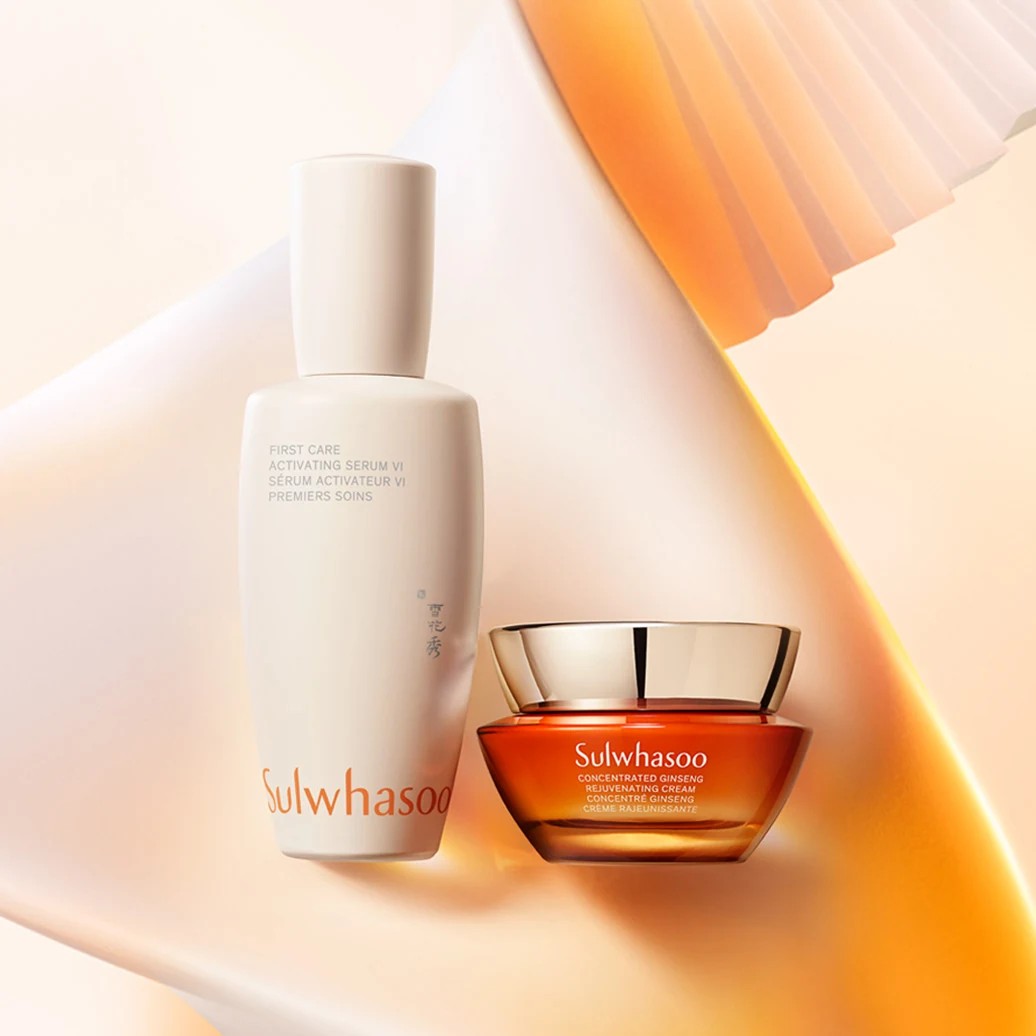
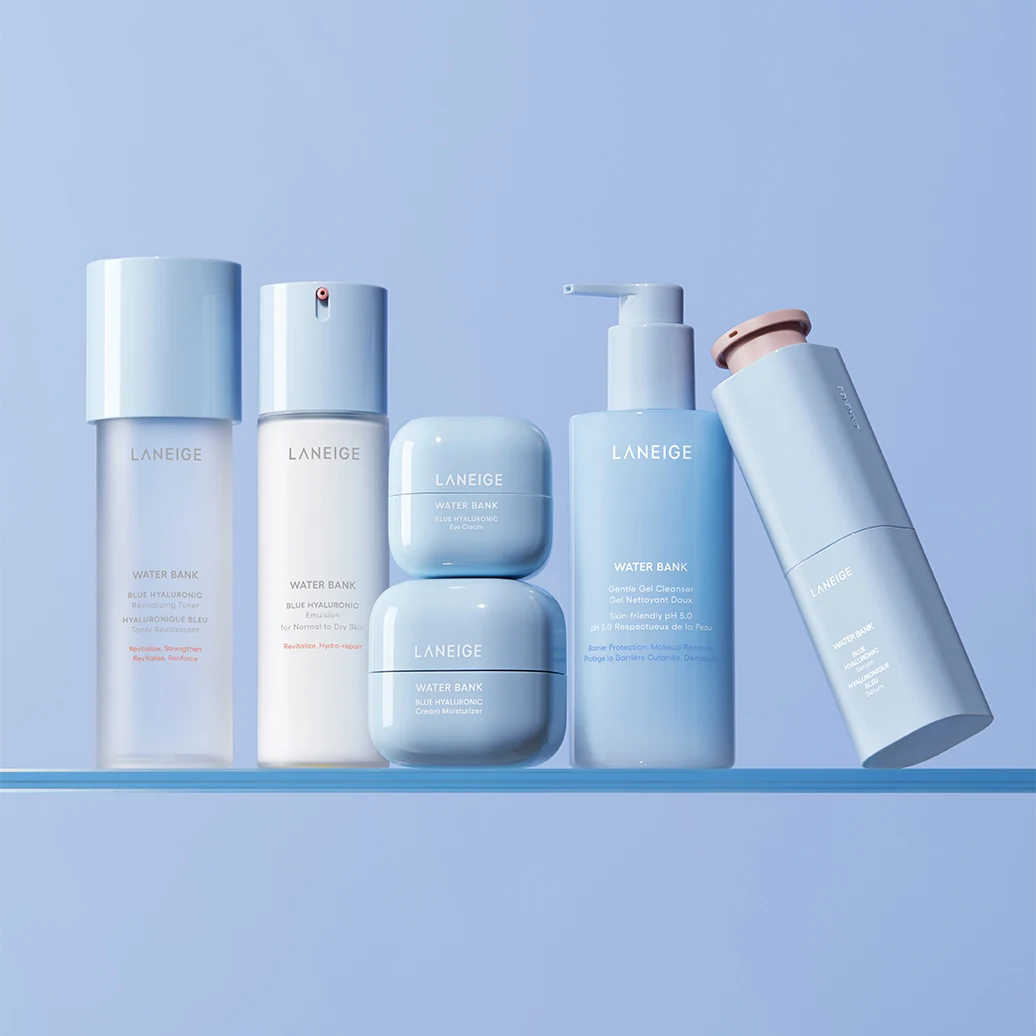
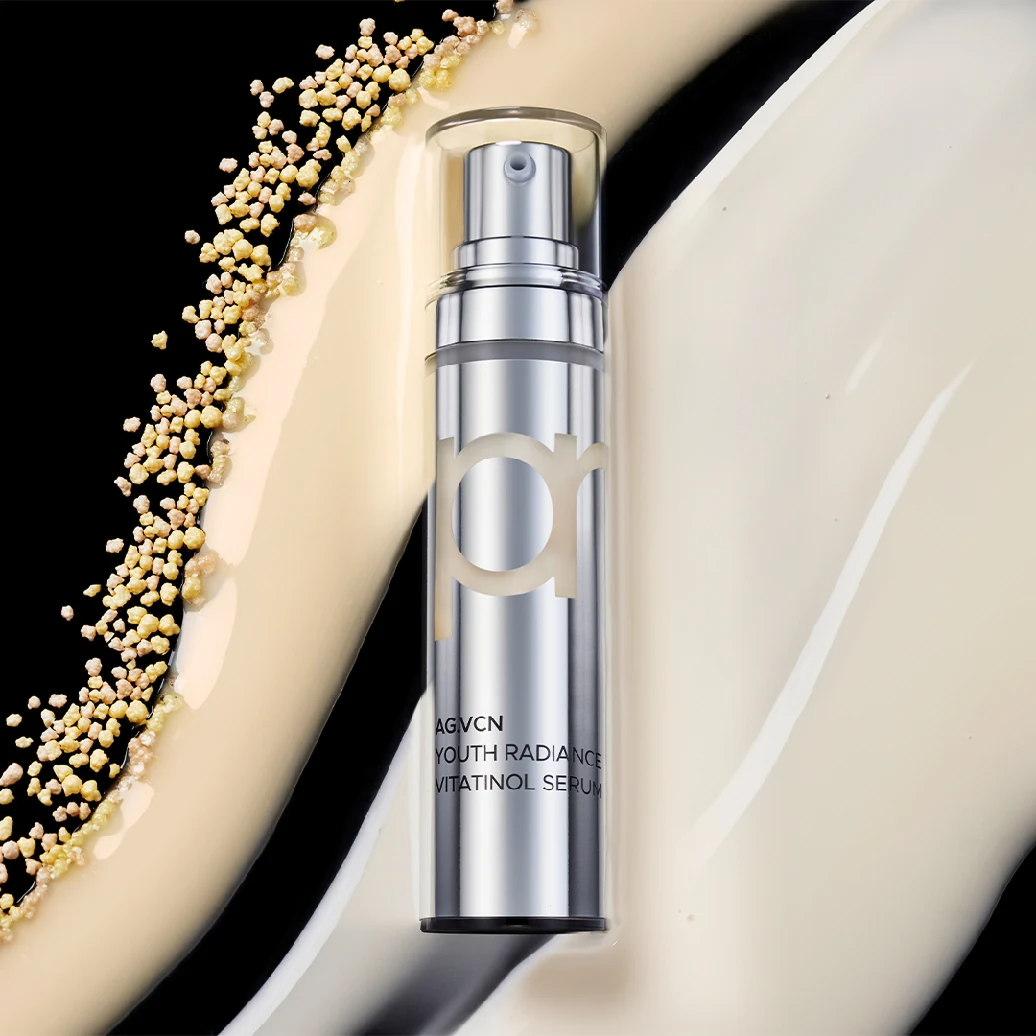
Products utilizing Vitamin C-related technology can be found in Amorepacific brands such as Sulwhasoo, LANEIGE, Primera, IOPE, and AESTURA.

You can learn more about Amorepacific's research and development philosophy and technology trends at the link below.

Explore Amorepacific Research & Innovation

Vitamin C Fact Check

We examine information about Vitamin C that is frequently misunderstood or exaggerated to gain a more balanced understanding of its characteristics as a cosmetic ingredient.

QuestionFact Check
Does Vitamin C guarantee skin regeneration?
The efficacy of topical application is not well understood compared to optimizing dietary Vitamin C intake. [3] Rather than "guaranteeing" regeneration, it is at a level that can help improve skin condition.
Can using Vitamin C cosmetics produce the effects of a procedure?
Currently, clinical studies on the efficacy of topical Vitamin C formulations are limited, and finding the most stable and permeable formulation is a challenge. [1] It is difficult to expect the same effects as a procedure.
Is Vitamin C suitable for all skin types?
L-ascorbic acid has improved stability and skin permeability at pH 3.5 or below, but at high concentrations exceeding 20%, the possibility of irritation has been reported without additional efficacy increase, so caution is needed for sensitive skin. [1] Sensitive skin should start with a low concentration or choose a derivative.
Do I see immediate effects when I apply Vitamin C?
Up to 3 months of consistent use may be needed to see noticeable improvement. [7][10] Expect gradual results rather than an immediate dramatic change.
Is Vitamin C extracted from only one source?
In the modern two-step fermentation method, sorbitol is used as the starting material to produce sorbose through fermentation, which is then converted into 2-keto-L-gluconic acid. Both processes produce about 60% of the glucose supply as Vitamin C. [9][16]

How to Experience Vitamin C Benefits

  • Realistic Changes to Expect

With consistent use of Vitamin C cosmetics, your skin tone may feel more even than before. Skin that had looked dull and lifeless may appear more radiant, and you may feel that your skin texture is more refined. Vitamin C can also help protect the skin from environmental stress, contributing to maintaining overall skin condition. These changes appear gradually and cumulatively rather than dramatically.

  • Changes That Are Difficult to Expect

On the other hand, complete removal of deep wrinkles, immediate resolution of severe pigmentation, and lifting effects on sagging skin are difficult to expect from cosmetics alone. For these purposes, you may consider retinol, professional whitening ingredients, or procedures through consultation with a specialist.

Safety of Vitamin C

Vitamin C is generally used safely as a cosmetic ingredient. However, as with all cosmetic ingredients, individual reactions may vary, so please refer to the following.

General Safety

As a food ingredient, ascorbic acid is listed as Generally Recognized As Safe (GRAS) by the U.S. Food and Drug Administration (FDA). For cosmetic use, the Cosmetic Ingredient Review (CIR) Expert Panel assessed the safety of ascorbic acid and concluded that ascorbic acid and its salts are safe for use in cosmetics and personal care products. [9][16] Because ascorbic acid is water-soluble, it is safe even when used at high doses over a long period. No side effects were observed even in well-controlled studies in which more than 100 times the U.S. recommended daily amount was consumed. Excess intake tends to be excreted in the urine, so it is rare for the concentration of water-soluble vitamins to accumulate to toxic levels. [6]

Topical Vitamin C is generally safe even with long-term daily use. It can be used safely together with other common topical skincare ingredients such as sunscreen, tretinoin(retinoid-class ingredients), other antioxidants, and alpha-hydroxy acids such as glycolic acid. [4]

When Caution is Needed

Minor side effects may include yellow discoloration of the skin, discolored hair, and stained clothing due to oxidative changes in Vitamin C. Rarely, stinging, erythema, and dryness may be observed after using topical Vitamin C, which can be easily resolved by using a moisturizer. [4] If you have a sensitivity to or known allergy to the ingredient, it is advisable to do a patch test or consult a specialist before use. [7][10] Consultation with a specialist is recommended if you have existing skin concerns.

Frequently Asked Questions (FAQ)

What exactly is Vitamin C?

The antioxidant properties of Vitamin C (ascorbic acid) and its role in collagen-related biological pathways make Vitamin C an essential molecule for skin health. [8] Because ascorbic acid is a water-soluble natural antioxidant, it has been used as an ingredient in numerous cosmetics to protect and revitalize the skin. Ascorbic acid has free-radical-neutralizing properties that help prevent the processes that accelerate photoaging of the skin. [6]

What should sensitive skin keep in mind when using Vitamin C products?

Ascorbic acid serums generally have a fairly low pH (below 3.5) and a high active concentration (averaging 15-20%), which can be challenging product characteristics for sensitive skin. Anhydrous-form ascorbic acid serums can also be problematic. If you have sensitive skin and struggle with skin reactions, you may consider Vitamin C derivatives. [1] It is important to check the full ingredient list and do a patch test.

What ingredients are good to use together with Vitamin C?

As a major supplement to Vitamin E, Vitamin C exerts a synergistic effect with Vitamin E in protecting against oxidative damage. [1] When used with Vitamin E, the antioxidant effect is strengthened, and when used with ferulic acid, Vitamin C's stability is improved. [1][5] When used with hyaluronic acid, you can expect both hydration and radiance, and when used with niacinamide, you can expect synergy for skin tone improvement. When used with peptides, it can help with firmness care.

Can I use Vitamin C and retinol together?

Topical Vitamin C can be used safely together with other common topical anti-aging ingredients such as tretinoin. [4] However, since both ingredients are highly active, when first using them together, it is advisable to apply them gradually while observing your skin's reaction. If you feel irritation, adjust the interval of use or consult a specialist.

Can I use Vitamin C together with exfoliating ingredients (AHA/BHA)?

Topical Vitamin C can be used safely together with other common topical anti-aging ingredients such as alpha-hydroxy acids like glycolic acid. [4] However, since both ingredients act at a low pH, for sensitive skin, it is advisable to avoid using them on the same day or to adjust according to your skin condition. After exfoliation, the skin barrier may become sensitive, so caution is needed.

Can I use Vitamin C products right after a procedure?

It depends on the type and intensity of the procedure and the individual skin condition. Immediately after procedures such as lasers or peels, the skin is in a sensitive state, so it is important to prioritize the guidance of the medical professional who performed the procedure. In general, it is recommended to resume Vitamin C products after the skin has stabilized.

Do pores shrink when I use Vitamin C cosmetics?

Pore size is determined by a combination of factors such as genetics, sebum secretion, and skin elasticity. By smoothing the skin texture and supporting firmness, Vitamin C may make pores feel "less prominent," but it is difficult to expect permanent pore reduction.

When can I expect to feel the effects of Vitamin C?

Up to 3 months of consistent use may be needed to see noticeable improvement. [7][10] Sensations such as a more radiant skin tone can be experienced relatively quickly, but firmness or improvement in fine lines is felt cumulatively through consistent use. [10] The changes felt may vary depending on individual skin condition and environment.

What are the differences between Vitamin C and similar ingredients?

Vitamin C derivatives are stabilized forms designed to convert into active Vitamin C after being absorbed into the skin. Common forms include sodium ascorbyl phosphate, magnesium ascorbyl phosphate, tetrahexyldecyl ascorbate, and ascorbyl glucoside. Vitamin C derivatives are often less sensitive to oxidation and more stable in formulation than pure L-ascorbic acid. In addition, some derivatives are stable even at neutral pH, making them a more comfortable option for skin that finds low-pH L-ascorbic acid products burdensome. However, since each derivative differs in stability, skin delivery, and potential for irritation, it is important to consider both the formulation and concentration of the final product. [1][15] L-ascorbic acid is the most powerful but unstable, and may cause irritation, while derivatives are stable but may have somewhat lower efficacy. [1]

By what criteria should I choose Vitamin C cosmetics?

You may consider a clinical formulation that contains the active form of L-ascorbic acid—a combination studied in clinical trials—with a concentration of 10-20% and a pH below 3.5. [7][10] If you have sensitive skin, it is advisable to check the full ingredient list and choose a low concentration or derivative form. Since it is an ingredient unstable to light and air, choose products in sealed containers or airless-pump form, and it is recommended to use them within the recommended period after opening.

Sources

※ The effects and technologies of ingredients described in this content are based on Amorepacific's own research and publicly available academic and scientific sources to provide a general understanding of cosmetic ingredients. It is not intended for medical diagnosis or treatment purposes. For personal medical concerns, please consult a qualified medical professional.